
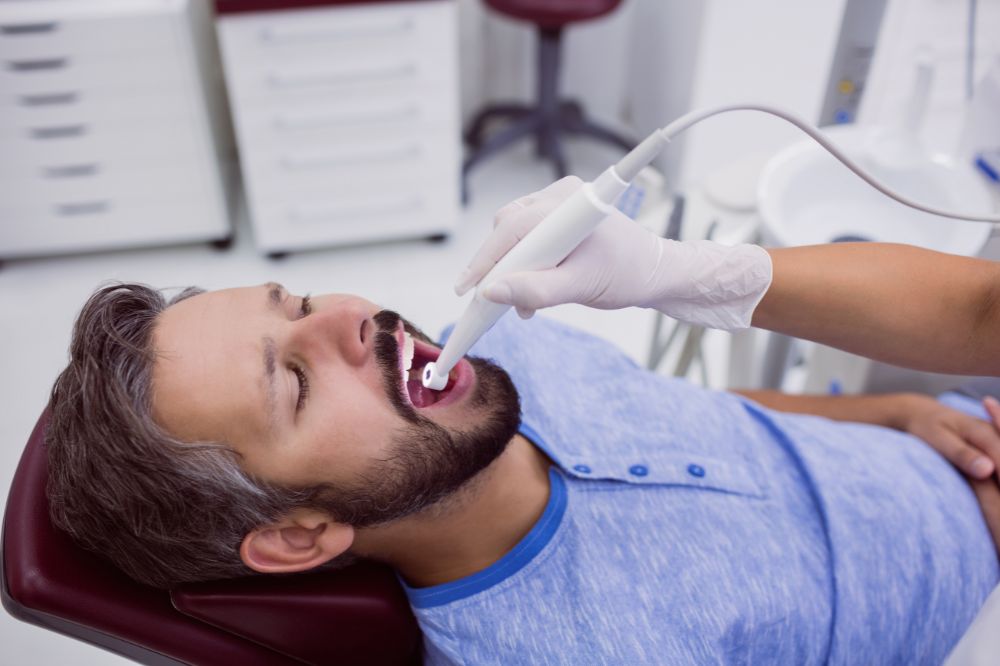
For many people, the thought of sitting in a dental chair brings a wave of nervousness that can be hard to shake. Whether it is a fear of needles, a sensitive gag reflex, or just a general sense of unease, dental anxiety is more common than most realise.
Fortunately, modern dentistry has developed effective ways to make your visit completely stress-free. If you are looking for a dentist in Grande Prairie, you will find that sedation dentistry is a game-changer for maintaining your oral health without the emotional toll.
These techniques allow you to remain calm and relaxed, ensuring that you get the care you need while feeling comfortable from start to finish.
The Main Types of Dental Sedation Explained
In 2026, patients will have several options for staying relaxed during their appointment. Understanding the types of dental sedation described by professionals can help you choose the one that best suits your comfort level.
- Inhaled Minimal Sedation: Often called “laughing gas,” this is a mixture of nitrous oxide and oxygen. You breathe it in through a mask, and it wears off almost immediately after you remove it.
- Oral Sedation: This involves taking a pill about an hour before your procedure. It can range from making you feel slightly drowsy to making you fall into a light sleep.
- IV Moderate Sedation: The sedative is administered through a vein, so it works very quickly. This allows the dentist to adjust the level of sedation throughout the procedure.
- Deep Sedation and General Anaesthesia: These are used for more complex surgeries, making you either nearly or totally unconscious during the treatment.
Comparing Levels: Mild vs Moderate Dental Sedation
When choosing your comfort level, it helps to understand the difference between mild vs moderate dental sedation. Both are designed to keep you calm, but they provide different depths of relaxation.
- Mild Sedation (Nitrous Oxide): You stay fully awake and can answer questions easily. You feel a sense of well-being or “tingling” and can usually drive yourself home afterwards.
- Moderate Sedation (Oral or IV): You are still conscious, but you may slur your words or feel very groggy. Many people have “amnesia” and don’t remember much of the procedure once it is over.
- Recovery Time: Mild sedation wears off in minutes, while moderate sedation requires a friend or family member to drive you home and stay with you for a few hours.
How Sedation Helps with Procedures and Pain?
Using dental sedation for pain management is a powerful way to ensure you don’t feel a thing during your treatment. While local freezing numbs the specific area, sedation works on your brain to dull the perception of discomfort.
- Blocks “Anticipatory Pain”: Often, the stress of expecting pain makes things feel worse. Sedation keeps your nervous system calm.
- Suppresses Gag Reflex: For those who struggle with impressions or back-tooth work, sedation relaxes the throat muscles, reducing the urge to gag.
- Numbing Support: Sedation makes the initial numbing injection much easier to handle, as you are already in a relaxed state.
- Dulls Sensitivity: If you have very sensitive teeth, sedation prevents the “zing” sensations that can sometimes happen during deep cleanings.
Common Sedation Options for Dental Procedures
There are many sedation options for dental procedures, ranging from a simple cleaning to a full-mouth restoration. Your dentist will help you decide which one is right for the specific task at hand.
- Routine Cleanings: Nitrous oxide is usually enough to help a nervous patient get through a standard check-up.
- Fillings and Crowns: Oral sedation is popular for these mid-level treatments to keep the patient calm for an hour or two.
- Wisdom Tooth Removal: IV sedation is the gold standard, as it ensures you are deeply relaxed during the procedure.
- Complex Restorations: If you are having multiple procedures done at once, deeper sedation allows the dentist to work for longer periods while you rest comfortably.
Who Should Consider Visiting a Sedation Clinic?
If you have been searching for a dental clinic near you or a general dental clinic, you might be a candidate for sedation if you avoid care due to fear.
- High Dental Anxiety: If just the smell of a dental office makes you nervous, sedation is for you.
- Low Pain Threshold: Some people are naturally more sensitive to touch and need extra help to stay comfortable.
- Difficulty Sitting Still: Patients with back pain or conditions like Parkinson’s often use sedation to help their muscles relax during treatment.
- Large Amounts of Work: If you need to get a lot done in one visit, sedation makes the time fly by.
A More Comfortable Way to Care for Your Teeth
Dental sedation is a wonderful tool that ensures no one has to suffer through dental fear. By choosing a level of relaxation that fits your needs, you can keep your smile healthy without the stress.
Modern methods are safe, effective, and designed to put your mind at ease. You deserve to have a healthy mouth and a positive experience every time you visit the office.
At Northern Dental Centre, we prioritise your comfort above all else. Our team is highly trained in various sedation methods to ensure your visit is as pleasant and painless as possible. We believe everyone should feel confident and relaxed when caring for their oral health.
If you have been putting off your dental work due to anxiety, we are here to provide the gentle care you need. Contact us today to learn more about our options.
Frequently Asked Questions
Is dental sedation safe for children?
Yes, mild sedation like nitrous oxide is very common and safe for children who are nervous or have trouble sitting still for their treatment.
Can I eat before my sedation appointment?
For mild sedation, a light meal is fine; however, for oral or IV sedation, you are usually asked to fast for 6 to 8 hours before your visit.
Will I be able to talk to the dentist while sedated?
With mild and moderate sedation, you remain conscious and can follow simple instructions, though you might feel very sleepy and relaxed.
How long does it take for oral sedation to wear off?
While you will start to feel more alert within a few hours, the effects can linger in your system for up to 24 hours, so you should rest for the remainder of the day.