
Few dental procedures have a reputation for pain quite like a root canal. But is that reputation deserved? When comparing root canal pain vs. toothache pain, many patients find that the toothache caused by an infected tooth is actually more uncomfortable than the treatment itself. Knowing what to expect can make the experience feel much less intimidating.
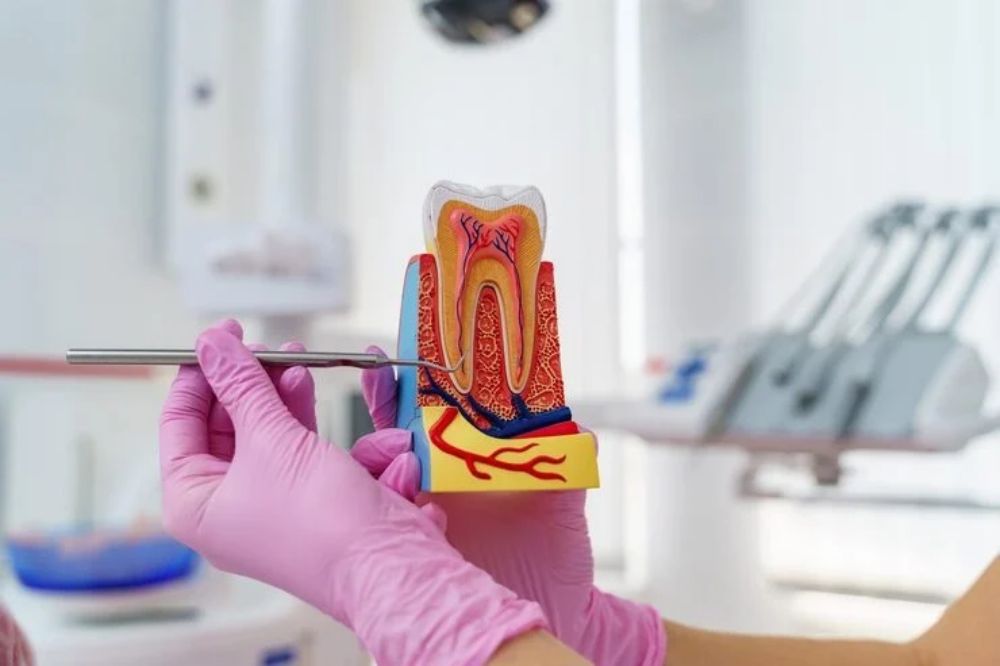
A root canal is recommended when the pulp inside a tooth becomes infected or badly inflamed. This can happen because of deep decay, a crack, or previous dental work. The root canal therapy in Grande Prairie is designed to remove the source of the problem while preserving the natural tooth.
How Painful Is a Root Canal Really?
So, how painful is a root canal really? With modern dental techniques and local anesthesia, most patients experience little to no pain during the procedure.
You may notice pressure, movement, or vibration while the dentist works, but sharp pain is not what most patients experience. In many cases, the discomfort before treatment is what people remember most.
The purpose of root canal treatment is to address the damaged or infected tissue causing the problem. Once the affected tissue is removed and the tooth is treated, the source of the pain can be addressed.
What Is the Root Canal Under Anesthesia Pain Level?
One reason patients are often surprised by root canal treatment is how comfortable the procedure can be once the tooth is properly numbed.
When considering the root canal under anesthesia pain level, most patients can expect minimal discomfort during treatment. Your dentist will use local anesthesia to numb the area before beginning.
You may still feel pressure or vibration, but you should not have to simply tolerate sharp pain. If you feel uncomfortable during treatment, let your dental team know so they can make adjustments.
Pain After a Root Canal: How Long Does It Last?
It’s normal for the treated tooth to feel a little tender after the anesthesia wears off. The surrounding area may also feel sensitive for a short time.
If you’re wondering pain after root canal how long it typically lasts, mild soreness often improves over the next few days. Some sensitivity can linger a little longer as the area settles.
Following your dentist in Grande Prairie’s aftercare instructions and using recommended pain relief can help make the recovery period more comfortable.
Why Choosing the Right Dental Team Matters
Having an experienced dental team can help make the process easier from start to finish. A dental team that explains the procedure, listens to your concerns, and takes time to keep you comfortable can help reduce some of the anxiety surrounding root canal treatment.
If you’re experiencing persistent tooth pain, sensitivity, or swelling, don’t wait for the discomfort to become harder to manage.
Get Clear Answers About Your Tooth Pain
Tooth pain can have different causes, and delaying an assessment may allow an underlying dental problem to become more difficult to treat. If root canal treatment has been recommended or tooth pain is causing concern, a dental assessment can help explain what is happening and which treatment options may be suitable.
Northern Dental Centre can evaluate the affected tooth, discuss the need for root canal treatment, and explain what to expect during and after care. Book an appointment today to discuss your symptoms and take the next step towards treating the source of your tooth pain.
FAQs
Is a root canal more painful than a toothache?
Many patients find the untreated toothache more uncomfortable than the procedure itself. Root canal treatment is performed with local anesthesia.
Will I feel pain during a root canal?
Most patients experience little to no sharp discomfort during treatment. You might feel or hear vibrations.
How long does root canal pain last afterward?
Mild soreness commonly improves within a few days, although some tenderness may last a little longer.
How can I manage discomfort after treatment?
Follow your dentist’s aftercare instructions. Recommended over-the-counter pain relief may also help with temporary soreness.
How do I know if I might need a root canal?
Persistent tooth pain, sensitivity, swelling, or discomfort when biting should be evaluated by a dental professional.